BIS Certification in India: Understanding Product Safety, ISI Mark and Compliance Requirements
07, Sep 2026
4
Product safety and quality are important considerations for manufacturers, importers, and businesses selling products in the Indian market. The Bureau of Indian Standards (BIS) plays an important role in establishing standards and certification requirements for a wide range of products.
Depending on the product category and applicable Indian Standard, businesses may need to obtain BIS certification or registration before manufacturing, importing, distributing, or selling the product in India.
From consumer products designed for babies and children to electrical appliances such as immersion water heaters, compliance with the applicable Indian Standard helps businesses demonstrate that their products meet prescribed safety and quality requirements.
What Is BIS Certification?
BIS certification is a conformity assessment system administered by the Bureau of Indian Standards. It is intended to verify that products comply with applicable Indian Standards.
The certification requirements differ according to the product, applicable standard, certification scheme, and regulatory notification. Some products fall under compulsory certification requirements, while certification may be voluntary for others.
For businesses, understanding the correct standard before beginning the application process is essential. Applying under an incorrect standard can result in delays, additional testing, or compliance issues.
Why Is BIS Compliance Important?
BIS compliance can be important for several reasons:
-
It supports compliance with applicable Indian regulations.
-
It helps demonstrate product quality and safety.
-
It can improve consumer confidence.
-
It supports organized manufacturing and quality-control practices.
-
It may be mandatory for products covered by compulsory certification requirements.
-
It helps manufacturers maintain consistent product specifications.
For products used by children, electrical appliances, and other safety-sensitive categories, compliance is particularly important because product performance can directly affect consumer safety.
BIS Certification for Baby Products
Baby and children's products require careful consideration because they are used by infants and young children. Certain products are subject to specific Indian Standards and regulatory requirements.
Businesses dealing with products such as toys, feeding-related products, and other children's articles should first determine whether their particular product is covered by a mandatory BIS requirement.
For a detailed discussion of this category, businesses can refer to the BIS Certification for Baby Products guide.
That article explains the importance of product safety, applicable certification considerations, testing, documentation, and the general certification process for baby products.
Key Compliance Considerations for Baby Products
Manufacturers should pay attention to:
-
Applicable Indian Standard – Identify the standard relevant to the exact product.
-
Product specifications – Ensure the product matches the specifications covered by the standard.
-
Testing requirements – Product testing may be required through an appropriate laboratory.
-
Manufacturing controls – Quality-control systems should be maintained consistently.
-
Documentation – Technical and manufacturing documents should be accurate and complete.
-
Marking requirements – Where applicable, products must carry the prescribed BIS/ISI marking and information.
Because requirements can vary between products, businesses should verify the applicable standard rather than assuming that every baby product follows the same certification route.
BIS ISI Certification for Electrical Appliances
Electrical appliances represent another important area of product safety. Appliances that heat water, generate heat, or operate using electricity require appropriate safety controls.
Electric immersion water heaters are one example where compliance with the relevant Indian Standard is important.
The applicable standard for electric immersion water heaters is IS 302 (Part 2/Sec 201):2008, which addresses particular safety requirements for these appliances.
Businesses looking specifically for information about this product category can read the detailed guide on BIS ISI for Electric Immersion Water Heaters under IS 302 (Part 2/Sec 201):2008.
Why the Correct Indian Standard Matters
One of the first steps in a BIS certification process is identifying the correct Indian Standard.
A product may have several technical characteristics that influence which standard applies. These can include:
-
Product type
-
Construction
-
Intended use
-
Electrical ratings
-
Materials
-
Design specifications
-
Manufacturing process
-
Product variants
For example, an electrical appliance cannot simply be certified under a general product category without checking the particular requirements applicable to that appliance.
Similarly, children's products may have different standards depending on their intended use, construction, materials, and age group.
Therefore, standard identification should be completed before testing and application submission.
General BIS Certification Process
Although the exact procedure depends on the applicable scheme and product, the process generally involves several stages.
1. Identify the Applicable Standard
Determine the Indian Standard applicable to the product.
2. Review Eligibility and Requirements
Check whether the product falls under a mandatory BIS certification scheme or another applicable conformity assessment route.
3. Prepare Technical Documents
Documents may include product specifications, manufacturing information, quality-control details, test-related documents, factory information, and other records depending on the certification scheme.
4. Product Testing
Where required, samples are tested against the relevant Indian Standard through the prescribed laboratory process.
5. Submit the Application
The manufacturer or eligible applicant submits the required application and supporting documents through the applicable BIS process.
6. Factory Assessment
For certification routes involving factory assessment, BIS officials may evaluate manufacturing facilities, production processes, testing capabilities, and quality-control arrangements.
7. Certification and Marking
Once the applicable requirements are fulfilled and the certification is granted, the business must follow the prescribed product marking and ongoing compliance requirements.
Common Mistakes Businesses Should Avoid
BIS applications can become complicated when businesses do not establish the certification requirements correctly at the beginning.
Some common issues include:
Using the Wrong Standard
Selecting an incorrect Indian Standard can lead to inappropriate testing and application delays.
Incomplete Documentation
Missing or inconsistent information can create additional queries during the assessment process.
Product-Test Mismatch
The tested sample should correspond with the product and specifications for which certification is being sought.
Ignoring Factory Quality Controls
Certification is not limited to submitting documents. Depending on the scheme, manufacturing and quality-control arrangements may also be assessed.
Treating Certification as a One-Time Activity
After obtaining certification, manufacturers may still need to follow ongoing requirements, including surveillance, testing, marking, record maintenance, and other applicable conditions.
BIS Certification and Consumer Confidence
A recognized certification or conformity mark can help consumers identify products that have been assessed against applicable standards.
For manufacturers, compliance can also contribute to:
-
Better brand credibility
-
Improved market acceptance
-
Greater customer confidence
-
More structured quality management
-
Reduced risk of regulatory complications
For safety-sensitive products, these benefits can be particularly valuable.
How Agile Regulatory Can Help
BIS requirements can vary significantly depending on the product and certification scheme. Agile Regulatory assists manufacturers, importers, and businesses with regulatory compliance and certification-related requirements.
Support may include:
-
Identifying applicable certification requirements
-
Understanding the relevant Indian Standard
-
Documentation assistance
-
Application preparation
-
Coordination related to product testing
-
Guidance for factory assessment
-
Certification process support
-
Post-certification compliance guidance
The objective is to help businesses approach the certification process with the correct documentation, product information, and compliance strategy.
Final Thoughts
BIS certification is an important part of India's product quality and safety framework. However, the requirements are not identical for every product. Businesses must identify the correct Indian Standard, understand the applicable certification scheme, complete required testing, prepare accurate documentation, and maintain compliance after certification.
For businesses dealing with baby and children's products, understanding the specific safety requirements is essential. You can learn more through our detailed guide on BIS Certification for Baby Products.
Similarly, manufacturers of electric immersion water heaters should understand the requirements applicable under IS 302 (Part 2/Sec 201):2008). Our detailed resource on BIS ISI for Electric Immersion Water Heaters provides more product-specific information.
Choosing the right certification route at the beginning can help businesses avoid unnecessary delays and build a stronger foundation for regulatory compliance in the Indian market.
Agile Regulatory can assist businesses in understanding their BIS certification requirements and navigating the applicable compliance process.
share Share now

 All Services
  Service Experts
  Jobs
Jobs  Explore Travel
  News & Magazines
  Events
  Products
  Coupon & deals
  Blogs
Blogs  Community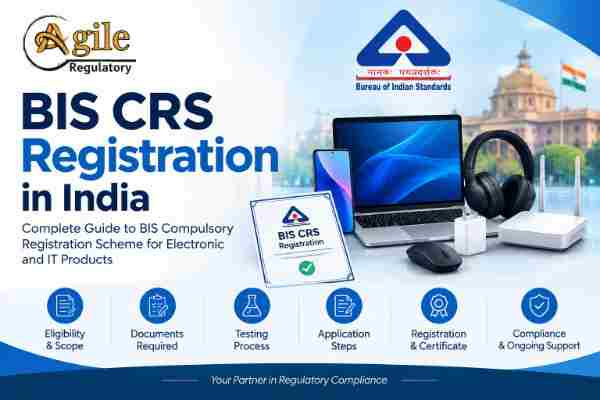




.png)

.png)










 Home
Home Search
 Jobs
Jobs Support