Why 2D Game Development Remains a Powerful Choice for Modern Gaming Projects
04, Aug 2026
20
The gaming industry continues to evolve at a remarkable pace. From immersive virtual reality experiences to photorealistic 3D environments, technological advancements have transformed how games are designed and played. Despite these innovations, 2D games continue to thrive across mobile devices, PCs, consoles, and web platforms. Their enduring popularity demonstrates that compelling gameplay and creative design often matter more than visual complexity.
For developers, startups, and publishers looking to launch engaging gaming experiences, partnering with a 2d game development company remains a strategic decision. Modern 2D games combine artistic creativity, optimized performance, and cost-effective development, making them suitable for projects of all sizes.
This article explores why 2D game development continues to be a valuable choice, its advantages, emerging trends, and why businesses continue to invest in this timeless game development approach.
The Evolution of 2D Game Development
2D gaming has come a long way since the early arcade era. While classic pixel-art games established the foundation of the industry, today's 2D titles feature sophisticated animations, advanced physics systems, dynamic lighting, multiplayer functionality, and engaging storytelling.
Modern game engines such as Unity, Godot, and Unreal Engine support highly polished 2D experiences, allowing developers to build visually impressive games without sacrificing performance. As a result, indie studios, enterprise publishers, educational organizations, and startups continue to embrace 2D development for diverse gaming projects.
The success of games like Hollow Knight, Celeste, Dead Cells, and Stardew Valley proves that innovative gameplay consistently resonates with players regardless of graphical dimensions.
Why 2D Games Continue to Perform Well
Many people assume that newer technologies automatically replace older ones. However, gaming has consistently shown that engaging gameplay, intuitive mechanics, and memorable art styles often have a greater impact than graphical realism.
Several factors explain the continued success of 2D games:
- Lower hardware requirements
- Faster loading times
- Better battery efficiency on mobile devices
- Easier accessibility for casual players
- Timeless artistic appeal
- Strong replay value
Because of these benefits, 2D games continue attracting millions of active players worldwide.
Faster Development Cycles
One of the biggest advantages of 2D development is speed.
Creating high-quality 3D assets requires complex modeling, rigging, animation, lighting, texturing, and optimization. These production stages significantly increase timelines and budgets.
By comparison, 2D production focuses on sprites, frame animations, tilemaps, and simplified asset pipelines. This enables development teams to prototype ideas quickly, test gameplay mechanics earlier, and iterate based on player feedback.
For startups seeking rapid market validation, shorter production cycles reduce financial risk while allowing faster releases.
Cost-Effective Production
Budget constraints influence nearly every gaming project.
Compared to large-scale 3D productions, 2D development generally requires:
- Smaller art teams
- Reduced animation workloads
- Lower infrastructure costs
- Faster QA testing
- Simpler optimization
- Shorter production schedules
These efficiencies make 2D development an attractive option for indie developers and businesses with limited resources.
Working with an experienced 2d game development company can further optimize production costs by leveraging proven workflows, reusable assets, and streamlined development practices.
Easier Cross-Platform Deployment
Today's gamers expect seamless experiences across multiple devices.
Modern 2D games can be deployed on:
- Android
- iOS
- Windows
- macOS
- Linux
- Nintendo Switch
- PlayStation
- Xbox
- Web browsers
Because 2D games typically require fewer graphical resources, adapting them to multiple platforms is often more efficient than optimizing demanding 3D titles.
Cross-platform compatibility also expands market reach and increases potential revenue opportunities.
Outstanding Performance
Performance directly affects player retention.
Frame rate drops, long loading screens, and excessive battery consumption often lead to poor user experiences.
2D games generally deliver:
- Stable frame rates
- Faster startup times
- Lower memory consumption
- Reduced CPU usage
- Better battery performance
These advantages make 2D games especially suitable for mobile gaming, where hardware limitations vary significantly across devices.
Creative Freedom Without Technical Limitations
One misconception about 2D development is that it limits creativity.
In reality, many of gaming's most memorable artistic experiences come from 2D environments.
Developers can experiment with:
- Hand-drawn illustrations
- Pixel art
- Anime-inspired visuals
- Comic-book aesthetics
- Watercolor designs
- Vector graphics
- Minimalist styles
Instead of chasing photorealism, developers focus on creating unique visual identities that players instantly recognize.
Distinctive art styles often remain visually appealing for years, unlike highly realistic graphics that can become outdated as technology advances.
Ideal for Indie Studios
Independent developers continue shaping the gaming industry through innovation.
Many successful indie games prioritize creativity, storytelling, and gameplay over technical spectacle.
2D development allows smaller teams to compete with larger studios by reducing production complexity while maintaining high-quality player experiences.
This flexibility enables indie studios to experiment with new mechanics, genres, and artistic concepts without requiring massive development budgets.
Strong Mobile Gaming Potential
Mobile gaming remains one of the largest segments of the global gaming market.
Many top-performing mobile games use 2D graphics because they provide:
- Smooth gameplay
- Quick downloads
- Smaller installation sizes
- Better compatibility
- Lower battery usage
Casual gamers also appreciate intuitive controls commonly found in 2D games, making them accessible to wider audiences.
Whether creating puzzle games, endless runners, platformers, or educational applications, 2D development continues delivering exceptional mobile experiences.
Better Gameplay Focus
Players ultimately remember how a game feels more than how realistic it looks.
Because developers spend less time managing complex 3D assets, they can invest more effort into improving:
- Core mechanics
- Level design
- Game balance
- Character progression
- Player feedback
- Storytelling
This gameplay-first philosophy has helped numerous 2D games achieve critical and commercial success.
Easier Maintenance and Updates
Launching a game is only the beginning.
Successful titles require regular updates, bug fixes, seasonal events, downloadable content, and performance improvements.
2D projects often simplify post-launch maintenance because developers manage fewer technical dependencies compared to large-scale 3D environments.
This allows studios to deliver new content faster while maintaining stable game performance.
Modern Technologies Are Enhancing 2D Games
Today's 2D games benefit from technologies that were once exclusive to 3D development.
These include:
- Dynamic lighting
- Real-time shadows
- Advanced particle effects
- Physics simulations
- AI-driven enemies
- Cloud saving
- Multiplayer networking
- Procedural generation
As a result, modern 2D games can deliver immersive experiences without requiring photorealistic graphics.
Popular Genres That Excel in 2D
Certain genres naturally benefit from 2D mechanics.
These include:
Platformers
Precision movement and responsive controls make platformers one of the strongest 2D genres.
Puzzle Games
Simple interfaces help players focus on solving challenges without unnecessary distractions.
Role-Playing Games
Classic RPG mechanics continue thriving in beautifully crafted 2D worlds.
Strategy Games
Top-down perspectives provide players with excellent battlefield visibility.
Educational Games
Simple visuals help learners focus on educational objectives rather than graphical complexity.
Card Games
Digital card games often rely on efficient 2D interfaces that work across devices.
Simulation Games
Farming, city-building, and management games frequently achieve great success using stylized 2D graphics.
The Role of a Professional Development Partner
Building a successful game involves much more than programming.
A professional game development comapny typically provides expertise in:
- Game design
- Art production
- Animation
- UI/UX design
- Backend development
- Multiplayer systems
- Quality assurance
- Performance optimization
- Store deployment
- Live operations
By combining these disciplines, development teams can efficiently transform ideas into polished gaming experiences.
When evaluating potential partners, businesses should review portfolios, technical expertise, communication processes, platform experience, and post-launch support capabilities.
Scalability for Future Growth
Many games begin as relatively small projects before expanding into larger franchises.
2D games can gradually evolve through:
- Additional levels
- New characters
- Seasonal content
- Multiplayer modes
- Expansion packs
- Cosmetic items
- Community events
This scalability enables developers to extend a game's lifespan while maintaining player engagement.
Growing Opportunities in Emerging Markets
Emerging gaming markets continue expanding due to increasing smartphone adoption and improved internet accessibility.
Since many users still play on entry-level devices, optimized 2D games often perform exceptionally well in these regions.
Lower hardware requirements allow developers to reach broader audiences without compromising gameplay quality.
Why Businesses Still Invest in 2D Games
Companies across industries use games for more than entertainment.
Organizations develop 2D games for:
- Employee training
- Customer engagement
- Education
- Brand awareness
- Healthcare
- Marketing campaigns
The lower production costs and faster development timelines make 2D games practical solutions for business-focused applications as well.
Future Trends in 2D Game Development
The future of 2D gaming looks increasingly promising.
Several trends continue driving innovation:
- AI-assisted content generation
- Cloud gaming integration
- Cross-platform multiplayer
- Procedural level creation
- Enhanced visual effects
- Hybrid 2D/3D gameplay
- Live-service content models
- Improved accessibility features
As technology advances, developers can create richer experiences while preserving the simplicity and performance that make 2D games so appealing.
Conclusion
The continued success of 2D games demonstrates that exceptional gameplay, artistic creativity, and thoughtful design remain the foundation of memorable gaming experiences. While 3D technologies continue advancing, 2D development offers unique advantages that include faster production, lower development costs, optimized performance, easier cross-platform deployment, and greater accessibility.
Whether you're building an indie platformer, a mobile puzzle game, an educational application, or a commercial gaming product, partnering with an experienced 2d game development company can help transform creative ideas into engaging, high-quality games. Likewise, selecting the right game development comapny ensures access to the technical expertise, design capabilities, and production workflows needed to bring modern gaming projects to life.
As player expectations continue evolving, one thing remains clear: compelling gameplay will always outperform unnecessary complexity. That is precisely why 2D game development continues to be a powerful choice for modern gaming projects.
share Share now

 All Services
  Service Experts
  Jobs
Jobs  Explore Travel
  News & Magazines
  Events
  Products
  Coupon & deals
  Blogs
Blogs  Community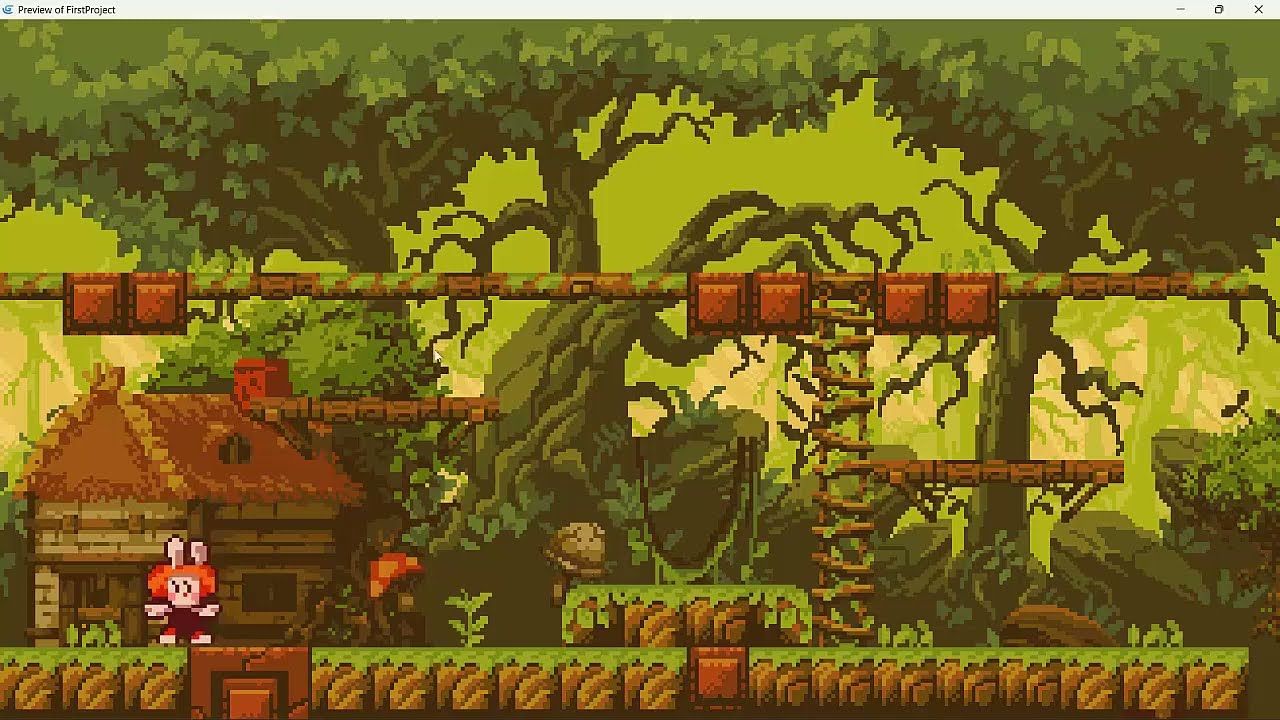




 Home
Home Search
 Jobs
Jobs Support