How to Wash a Mattress Protector
08, Jun 2026
37
A mattress protector works hard every day to keep your mattress clean, fresh, and protected from spills, dust, sweat, and allergens. However, many people forget that mattress protectors need regular cleaning too. Over time, they collect body oils, moisture, dust, and other particles that can affect both hygiene and performance.
Knowing how to wash a mattress protector properly helps maintain its protective qualities while extending its lifespan. The good news is that most mattress protectors are easy to clean when you follow the correct washing and drying methods.
Why Regular Washing Matters
Even though a mattress protector sits beneath your sheets, it still absorbs a significant amount of sweat, dead skin cells, and dust over time. Regular cleaning helps maintain a healthier sleeping environment and prevents unpleasant odours from developing.
A clean protector also performs better. When dirt and residue build up in the fabric, breathability can be reduced, making sleep less comfortable, particularly during warmer Australian nights. For households using a cotton mattress protector, regular washing helps preserve softness while maintaining airflow and comfort.
How Often Should You Wash a Mattress Protector?
The ideal washing frequency depends on how the protector is used and the conditions within your home.
As a general guide:
-
Every 1 to 2 months for normal household use
-
More frequently for allergy sufferers
-
Immediately after spills or accidents
-
More often during hot weather if excessive sweating occurs
Regular washing helps prevent the build-up of allergens and keeps the protector functioning as intended.
Check the Care Label First
Before washing any mattress protector, always read the manufacturer's care instructions. Different materials require different cleaning methods.
Some protectors contain waterproof membranes, specialised fabrics, or natural fibres that may require specific washing temperatures or drying methods. Ignoring care instructions can damage waterproof layers and reduce the effectiveness of the protector.
Understanding Fabric Requirements
Most protectors can be machine washed, but washing temperatures and drying recommendations vary between products. Taking a few moments to check the label can help prevent unnecessary wear and damage.
Washing Your Mattress Protector
For most protectors, a gentle machine wash is the safest option. Use a mild detergent and select a gentle cycle. Avoid using bleach or harsh cleaning products, as these can damage protective coatings and fabric fibres. Wash the protector separately or with lightweight bedding items to prevent excessive strain during the wash cycle.
Recommended Washing Steps
-
Remove the protector from the mattress.
-
Check for stains and pre-treat if necessary.
-
Use a gentle machine wash cycle.
-
Wash with mild detergent.
-
Rinse thoroughly.
-
Follow drying instructions carefully.
These simple steps help maintain both cleanliness and durability.
How to Remove Common Stains
Accidents happen, especially in homes with children or pets. Quick action helps prevent stains from setting into the fabric.
For minor stains:
-
Blot excess liquid immediately.
-
Apply a small amount of mild detergent.
-
Allow it to sit briefly.
-
Wash according to the care instructions.
Avoid aggressive scrubbing, which can damage the fabric and waterproof layers.
Drying Your Mattress Protector Correctly
Drying is just as important as washing. Improper drying can damage waterproof materials and reduce product performance. Many protectors can be tumble dried on a low heat setting, while others are best air-dried. Always follow the manufacturer's recommendations.
Avoid High Heat
High temperatures can weaken waterproof membranes and cause shrinkage. Low heat or air drying is usually the safest option. Allow the protector to dry completely before placing it back on the mattress. Trapped moisture can lead to mold, mildew, and unpleasant odours.
Mattress Protectors and Allergy Management
Clean bedding plays an important role in reducing allergen exposure. Dust mites, pet dander, and pollen can accumulate in bedding over time if not cleaned regularly. Using an allergy protection mattress cover alongside a regular washing routine can help create a cleaner sleeping environment for people sensitive to allergens. While no bedding product can completely eliminate allergens, maintaining clean protectors and bedding can help reduce exposure and improve overall sleep hygiene.
Common Washing Mistakes to Avoid
Many mattress protectors become damaged because of simple cleaning mistakes.
Some of the most common include:
Avoiding these mistakes helps protect the fabric and prolongs the life of your mattress protector.
Keeping Your Mattress Fresh Between Washes
Regular washing is important, but there are other ways to keep your bedding fresh. Changing bed sheets weekly, vacuuming the mattress occasionally, and maintaining good bedroom ventilation can all help reduce moisture and dust build-up. Small habits like these contribute to a cleaner and more comfortable sleeping environment.
Final Thoughts
A mattress protector is one of the easiest ways to protect your mattress investment, but it needs proper care to remain effective. Regular washing helps remove dirt, moisture, allergens, and odours while maintaining comfort and performance. By following the manufacturer's care instructions and using gentle cleaning methods, you can keep your mattress protector clean, hygienic, and working effectively for years to come.
share Share now

 All Services
  Service Experts
  Jobs
Jobs  Explore Travel
  News & Magazines
  Events
  Products
  Coupon & deals
  Blogs
Blogs  Community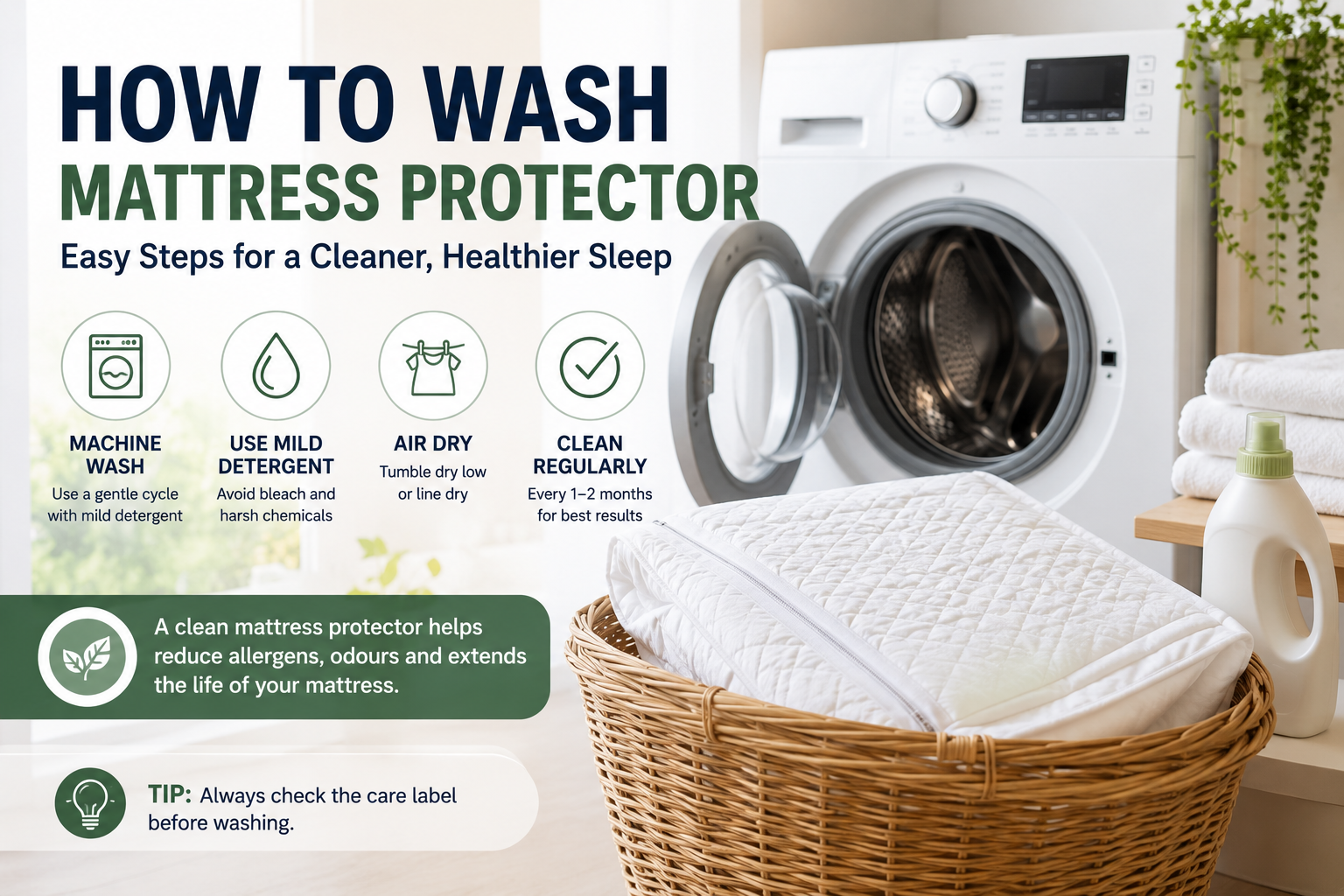




 Home
Home Search
 Jobs
Jobs Support